The Director’s Rose
Overview
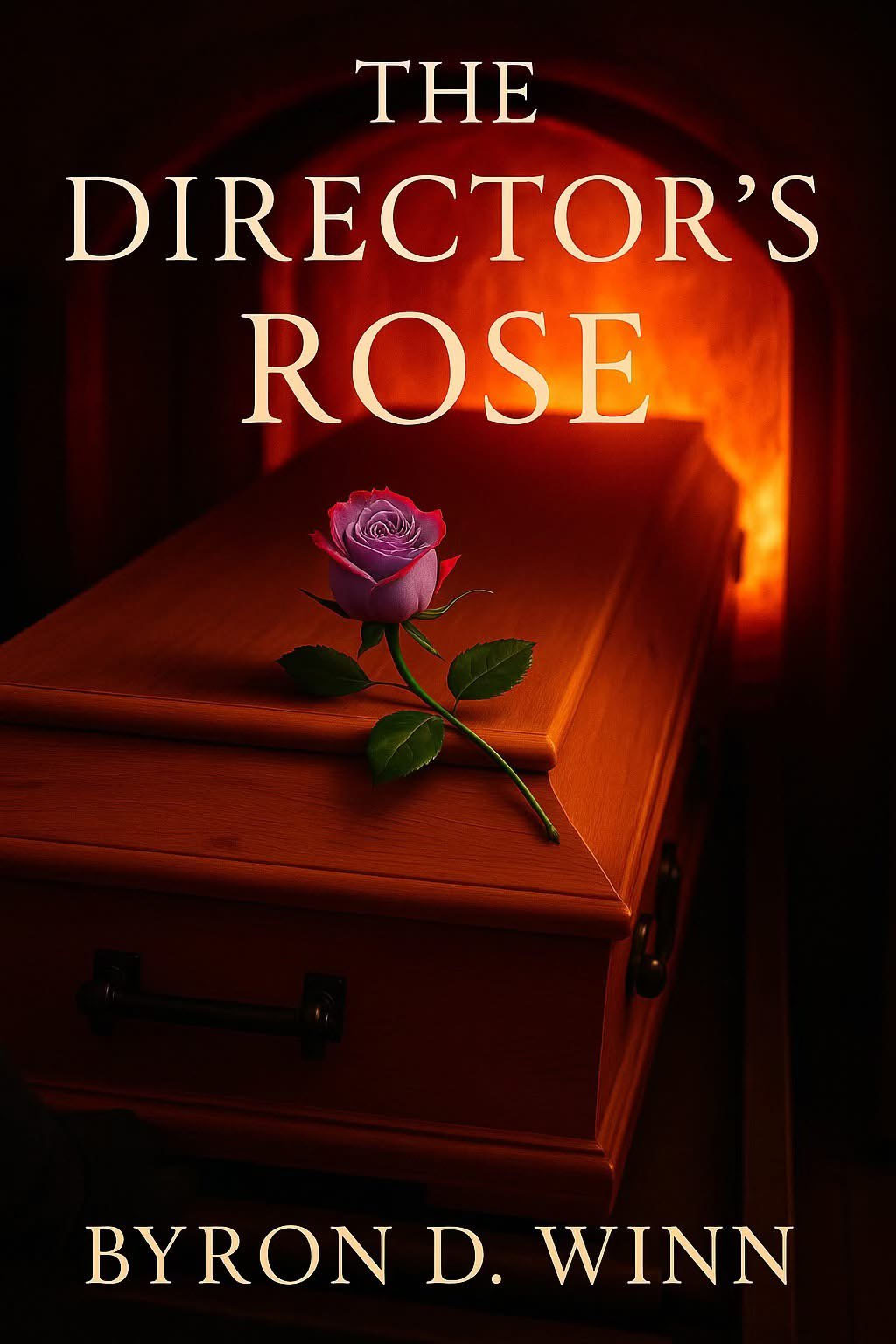
The Director’s Rose is a haunting, deeply human novel that merges grief, duty, and legacy into an emotionally resonant portrait of a man standing at the crossroads of tradition and tragedy. Set in the mountain town of Weaverville, North Carolina, the story follows Kevin Northrup—a fourth-generation funeral director—whose life is upended when his father and grandfather die in a suspicious accident. As he takes over the family business, Kevin navigates the rituals of death, the burdens of inheritance, and the slow unraveling of hidden truths that have shaped his lineage. The tone is both literary and elegiac, reflecting the precision of a memoir and the atmosphere of a Southern gothic. Through measured pacing and lush detail, the novel examines mortality, vocation, and the sacredness of service in life’s most fragile moments.
Deeper Dive
Strengths
- Rich Emotional Depth - The novel excels at immersing readers in Kevin’s interior world. His grief is conveyed with restraint yet deep sincerity, making his journey from numb shock to solemn acceptance both believable and moving. The contrast between his professional composure and private anguish adds authenticity and poignancy.
- Strong Sense of Place and Tradition - Weaverville and the surrounding Blue Ridge Mountains are vividly realized. The novel’s grounding in small-town rhythms—the hum of the funeral home, the whisper of the cemetery, the scent of roses—creates an immersive world. The Asheford cemetery and the family greenhouse serve as symbolic spaces of continuity and remembrance, reinforcing themes of legacy and rebirth.
- Authentic Professional Detail - The depictions of mortuary practice and funeral rites are written with quiet reverence. Each ritual—embalming, flower arrangement, military honors, casket preparation—is treated as both labor and liturgy. This professional authenticity gives the narrative credibility and emotional weight, much like The Undertaking: Life Studies from the Dismal Trade by Thomas Lynch.
- Narrative Voice and Tone - Kevin’s voice—calm, reflective, and humble—anchors the narrative. His tone blends practicality with poetry, allowing the novel to explore death without morbidity. The voice recalls the meditative realism of Wendell Berry’s fiction, where vocation and spirituality intertwine.
- Thematic Resonance - Beneath the story of loss lies a profound exploration of faith, duty, and generational identity. The Director’s Rose itself—part silver, part blood-red—becomes a perfect metaphor for beauty born of suffering. The contrast between life and death, renewal and decay, resonates throughout.
Stylistic Merits
The prose is graceful and meticulous. Sentences unfold with rhythm and respect for language, creating an atmosphere that feels both sacred and grounded. Recurrent motifs—the rose, the ticking clock, the hum of machinery, the silence of the chapel—form a strong symbolic architecture. The writing captures a rare empathy for both the living and the dead, turning professional duty into moral calling.
Conclusion
The Director’s Rose is a beautifully written and deeply compassionate novel that honors the quiet heroism of those who serve the grieving. It succeeds as a meditation on mortality, faith, and endurance while offering a distinctly Southern voice rooted in family, craft, and conscience. With its heartfelt prose and rich sense of place, it stands as both an intimate human drama and a lyrical testament to vocation and legacy.
What Others Are Saying About The Director's Rose
This realism sets your book apart in a powerful way...
The opening chapters deliver a strong and controlled emotional impact. Kevin’s loss of both his father and grandfather creates an immediate connection, and the Dragon’s Tail accident raises perfectly timed suspicion. I was especially impressed by how you tied the Director’s Rose symbol into Kevin’s grief — it gives the story a signature identity right from the start.
The scenes involving the funeral arrangements, the Campiones’ arrival, and the military honors ceremony are some of the strongest and most polished sections. They feel lived-in, accurate, and deeply respectful. This realism sets your book apart in a powerful way.
Kevin’s grief is written with maturity and sincerity. Instead of melodrama, you rely on quiet, believable emotional beats, and it works beautifully.
Your funeral-home knowledge elevates the narrative. The embalming preparation, military honors, chapel details, and procedural accuracy make the story feel authentic and grounded.
You’ve created a story with heart, precision, and true emotional resonance. It is clear that you’re building something meaningful, and I genuinely enjoyed the depth and authenticity
~ Mark S.
His characters are interesting and well-developed, and the book has several “can’t put it down’ sections...
The Director’s Rose is an intriguing read that takes you inside the mortuary business in a most interesting manner, through the life of Kevin Northrop, a fourth generation funeral director.
Byron’s writing style is fluid and easy reading, and The Director’s Rose showcases his integral knowledge of his subject. His characters are interesting and well-developed, and the book has several “can’t put it down’ sections. A most enjoyable read!
~ John D,
Hot Springs
I enjoyed it to the max. I read it in two sittings...
I enjoyed it to the max. I read it in two sittings. It would have been one sitting but I had to stop to go to an appointment. Ur story revolving around the daily business of a funeral home and a crime syndicate was clever and original. Kevin was emotionally relatable and an inspiration. I could feel his desire to always provide the highest quality service to his customers. I could also feel his angst after he made his foolish mistake. I liked learning about the differences between a military funeral versus a civilian one. Thank u for mentioning the United States Marine Corps as both my son, Michael, and Amanda’s husband, Brandon, served in the Corps. I did not know about the practice of men wearing boutonnières to a funeral service and then placing them on the coffin. I think it shows additional respect to the deceased and his family. It was also a nice touch to deliver a Director’s Rose to the family after the service. It makes the connection between the funeral home and the grieving family more personal. It came as a surprise when Kevin accepted a job that he knew was illegal from the get-go. He was just not the type. I understood his mental state was awry after his father and grandfather’s deaths and he was not thinking clearly. I commiserated with him when he was grieving his unwise decision thereafter. I am still wondering whether Madelline had a part to play in Father Bradstrom’s request for a donation. It just seems too coincidental.
The plot truly pivoted for me when Madeline and Kevin met and Madelline disclosed that Maria and Anthony were her relatives and were all part of the drug trade. Also, when she outlined how many gruesome jobs Kevin was expected to perform. At that point, the excitement just ratcheted up and continued clear through the end of the book. Yes, I was hooked. I wondered throughout the book if Wayne was going to turn out to be a co-conspirator even though he introduced Kevin to the FBI. I had doubts, too, about Ralph and whether he would end up being friend or foe. I was impressed when Kevin took it upon himself to photograph the victims and also gather the bullets to give to the FBI. Also, when he was willing to wear a wire when he came face to face with Madelline. I felt his commitment to ending the crime spree of the Campione family. I was so surprised after the plot twisted again and the sheriffs arrived at Kevin’s door to ask about the unmarked urns. I started panicking that Kevin was going to be an unwitting fall guy. The sting operation was so suspenseful that I could not think about anything else. All I could think of was getting to the conclusion.
Lastly, I love that Kevin set up shop in St. George. I felt he was invigorated to start over in a new town with fresh ideas.
A beautiful tribute to the funeral profession...
I wanted to send a quick note to say how much I appreciated the professional detail in The Director's Rose. As someone who values tradition and ethics, I found Kevin’s internal struggle with the phrase "Integrity outlives us all" to be the most compelling part of the manuscript.
Your depiction of the meticulous nature of the work, from the "Seventy-three boutonnieres" to the technical precision of the Nashville convention added a layer of realism that is often missing from this genre. The contrast between the "Winningham" family’s peaceful pre arrangements and the "Smith" family’s raw, unprepared grief was a masterclass in showing why this work matters so much.
You’ve managed to turn a technical profession into a gripping moral dilemma about what we owe to the dead and how we protect the living. Truly a unique and impressive piece of writing.
Thank you for "The Director's Rose" – such a moving read...
I just finished The Director's Rose and felt compelled to reach out. As a reader who has always been a bit intimidated by the "business of death," your portrayal of Kevin Northrup’s journey was incredibly eye-opening and touching.
The way you described the "architecture of memory" in Weaverville really resonated with me. The concept of the "Director’s Rose" that silver bloom tipped in blood red, is such a beautiful, haunting symbol of the dignity and promise a funeral director makes to a family. I was particularly moved by the chapters where Kevin has to navigate his own grief for his father and grandfather while still serving his community. It’s a powerful reminder that those who care for us in our darkest hours are often carrying their own heavy burdens.
Thank you for sharing this story. It’s a rare book that can make you cry and then immediately make you think about the legacy you’re leaving behind.